As we celebrate Halloween, Tatler unravels the myths and legends of the spookiest jewellery known to mankind
Jewellery is far more than precious stones and lustrous metal—it’s an intimate carrier of history, sentiment and the weight of emotion, holding within it memories and intentions that can span centuries. This is precisely why jewels often become cherished heirlooms, treasured not just for their brilliance but for the stories they tell and the legacy they carry forward from one generation to the next.
Yet alongside this aura of celebration, certain pieces have earned a macabre reputation, said to pass down not only family lore but also streaks of inexplicable misfortune. Their beauty is eclipsed only by their chilling backstories—stories that can make even the most dazzling diamond seem sinister. In this feature, we delve into some of the world’s most notorious jewels: spectacular creations whose value is measured as much in myth as in carat, infamous for the trail of bad luck or tragedy that followed those who dared to claim them.
In case you missed it: Chanel’s Reach for the Stars high jewellery proves true craftsmanship can take flight
The Black Prince’s Ruby

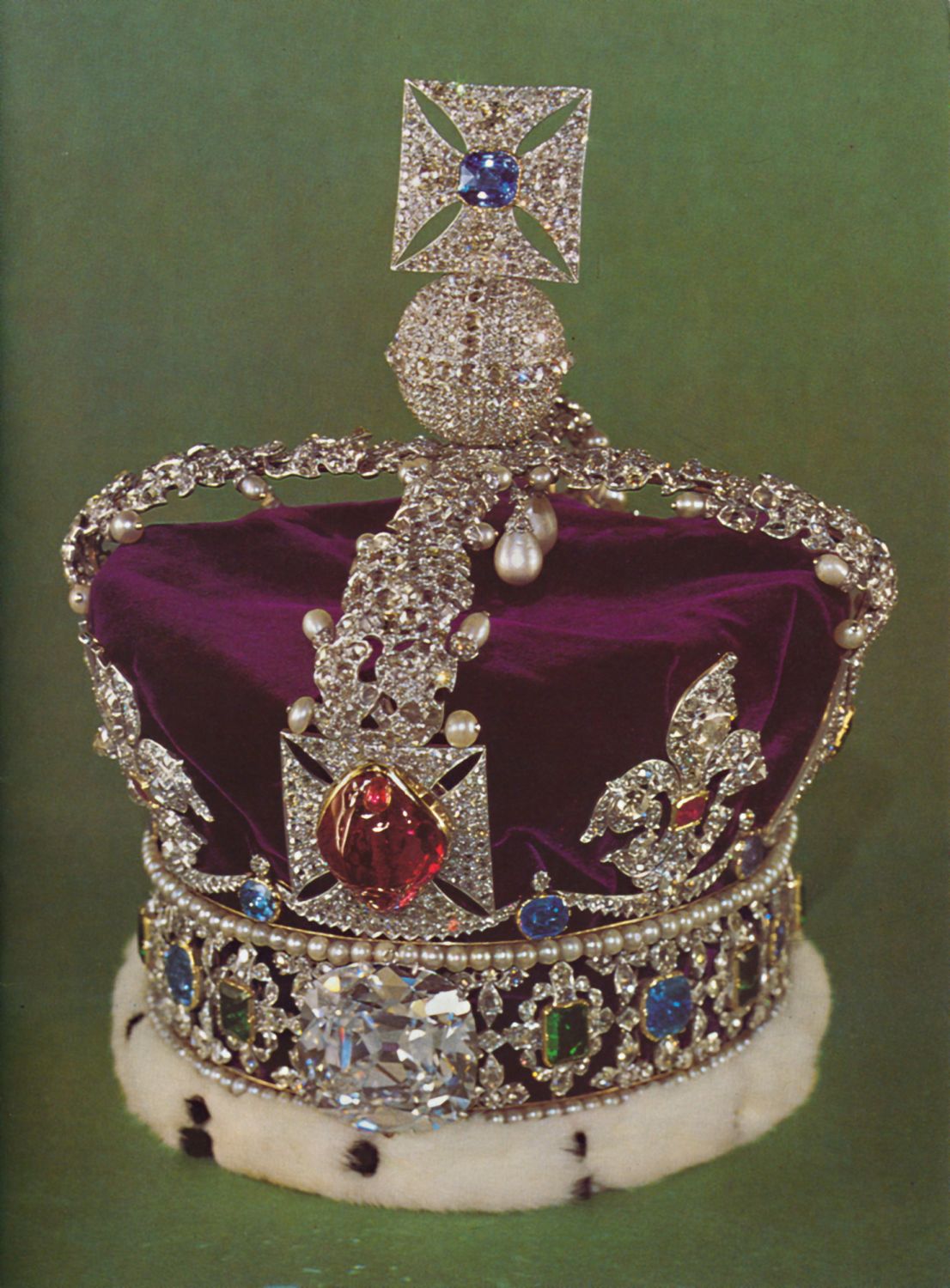
The Imperial State Crown with encrusted with the Black Prince's Ruby (Photo: The Print Collector/Getty Images)
1 / 1
Dubbed “The great imposter” this 170-carat red jewel was in fact not a ruby at all, but a cabochon spinel said to be mined in Afghanistan. It was reportedly first mentioned in the 14th century by Don Pedro the Cruel of Spain, whose lust for the gem resulted in his murder of Abu Sai’d, the Moorish Prince of Granada who owned the spinel. Don Pedro took off with his precious rock, and thus the curse began.
After that episode, the gem proved to be fatal for all those who possess it: Edward of Woodstock, “The Black Prince” who demanded the gem from Don Pedro as the price for an alliance forged between the two men, suffered poor health and died before his father, King Edward III of England. Had he lived he might have been King Edward IV, but his death made way for his younger brother to reign as King Richard II instead.
The stone was owned by the line of British royalty including King Charles I who was beheaded on account of treason in the year 1649.
It then passed on to King Henry VIII and his daughter Queen Elizabeth I, who famously reigned over the Elizabethan Golden Age but whose death also marked the end of the Tudor line. However, despite its notorious past, it continues to adorn the imperial state crown of the royal family in UK.